Author Archive

Unlocking wind and solar through regional action
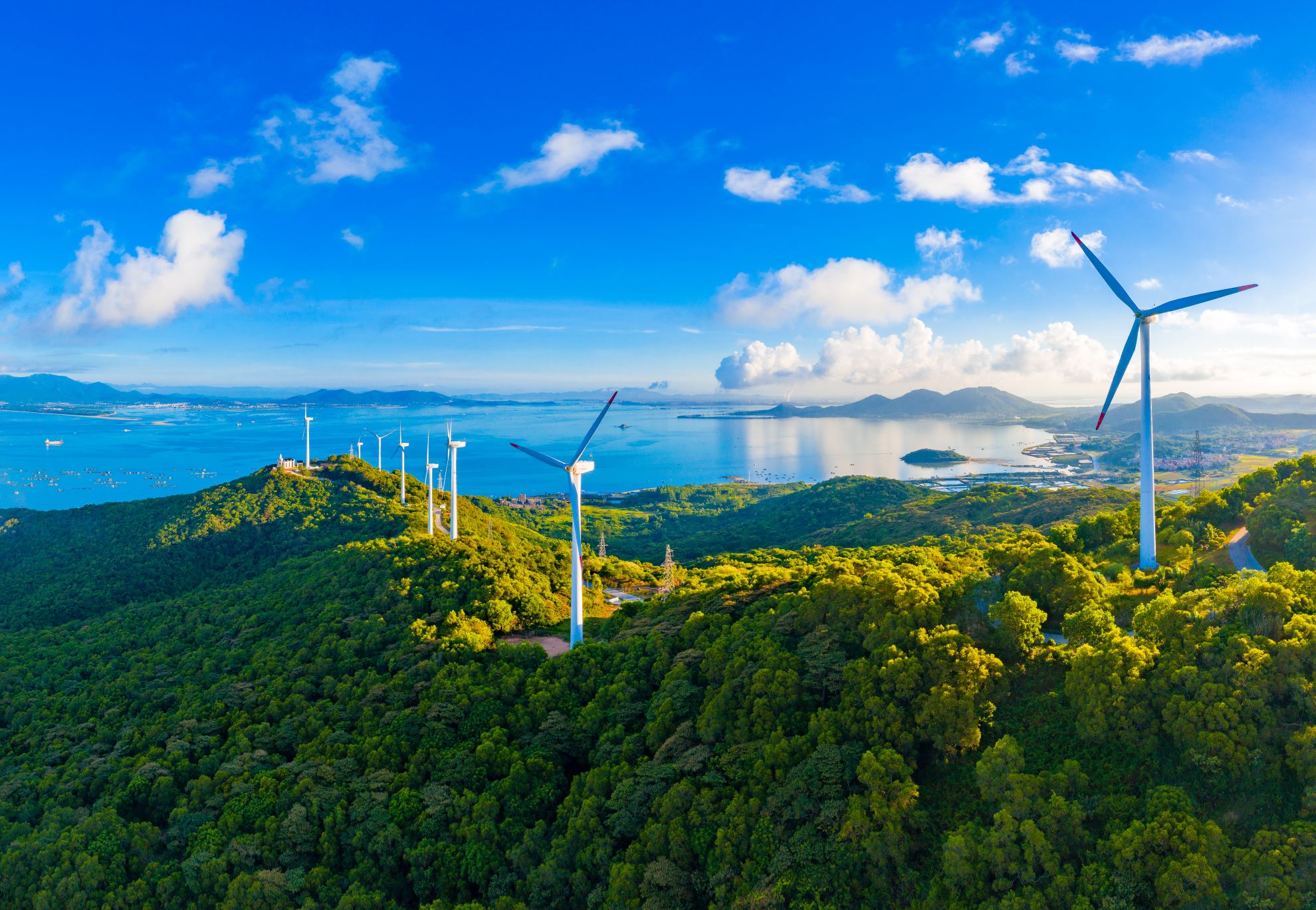
Unlocking Wind and Solar Through Regional Action – 2024 Annual Report

This first annual ReNew2030 report focuses on stories of impact from the field, set against a backdrop of international statistics showing progress in wind and solar and reflecting on whether we are on track to meet our goal.

  Read our report

Our mission is bold yet focused: to scale wind and solar power five-fold by 2030 in the 20 countries that account for around 80% of global power sector emissions.

These countries hold the key to bending the emissions curve – and ReNew2030 exists to help tip the balance. By supporting catalytic partnerships, driving strategic influence, and backing projects with real-world impact, ReNew2030 is working to reshape energy systems in ways that are just, inclusive, and grounded in local priorities.

Regional climate foundations leading local change

In 2024, ReNew2030 regional partners made remarkable progress across diverse geographies, often navigating complex and volatile contexts. Despite these challenges, regional climate foundations remained resilient, ambitious, and solutions-driven to deliver tangible results.


Driving international impact with our partners

2024 was the year of sustaining the momentum on the 3xRenewables goal announced at COP28 in Dubai. Throughout the year, ReNew2030 played a pivotal role in driving accountability and progress toward implementation, supporting a diverse network of transnational partners across regions.
With support from its transnational partner, the Pooled fund on International Energy (PIE), ReNew2030 collaborated with the Global Renewables Alliance to host the first-ever Global Renewables Summit in September 2024 in New York. This gathering brought together governments, private sector, philanthropies, international organisations, and academia – uniting all key stakeholders for the first time to strategise on accelerating the global race to tripling renewable energy capacity.

The Sunrise Project played an important role in engaging financial institutions in global policy-making spaces. Through its flagship Global Finance Programme, Sunrise advanced efforts to align financial systems with clean energy goals, drawing on insights from its work in Asia and Europe. One major initiative was the Sustainable European Central Bank coalition, calling for financial policies that facilitate the energy transition such as dual interest rates.

Another transnational partner, International Climate Politics Hub (ICPH), leveraged its trusted diplomatic network to push for progressive climate policy at the global level. Throughout the year, ICPH remained steadfast in its efforts, ensuring the most ambitious outcomes possible, despite a challenging political environment. At COP29, where some parties sought to weaken last year’s Global Stocktake language on the energy transition, ICPH’s engagement was instrumental in holding the line.

Strategic storytelling and influence

ReNew2030 amplifies its impact through media coverage, thought leadership, and high-profile platforms, ensuring its work reaches key audiences. TED talks, opinion articles in Financial Times Sustainable Views, and strategic engagements at COP29 have elevated its visibility, driving conversations on renewable energy.

Tap on the priority areas below to discover more details:

1

Authentic storytelling that inspires

ReNew2030 is expanding how it tells its story – launching a voice-note video series featuring community energy successes, and publishing partner-driven blogs on overcoming structural barriers and building inclusive momentum for renewables.

2

Broadcast and media highlights

ReNew2030’s narrative was featured on the NPR TED Radio Hour, bringing solar energy challenges and opportunities to mainstream audiences. Media moments like this help ensure that the clean energy transition remains part of the global public dialogue.

3

Connecting through digital channels

With the launch of our quarterly newsletter in 2024 and a refreshed, more accessible website, ReNew2030 has strengthened its digital presence – sharing partner stories, spotlighting achievements, and deepening engagement across the coalition.

4

Making waves at major global platforms

Whether at New York Climate Week – where ReNew2030 co-hosted the first ever Global Renewables Summit – COP29, or the Berlin Energy Transition Dialogue, ReNew2030 takes part in many of the main global climate events. At COP29, we partnered with We Don’t Have Time to spotlight renewable energy solutions, alongside the African Climate Foundation and Tara Climate Foundation. In Berlin, we co-hosted a strategic convening with the Global Renewables Alliance, aligning voices on finance, permitting, workforce development, and countering disinformation.

5

From TED talks to the Financial Times: Reaching global audiences

ReNew2030 has taken centre stage across influential media and thought leadership platforms. TED talks featuring early ReNew2030 perspectives and a compelling case study by Tara Climate Foundation have reached over 1.3 million viewers, sparking conversations well beyond the climate community. Opinion articles in FT Sustainable Views have reinforced the coalition’s key messages, from scaling solar to unlocking finance.
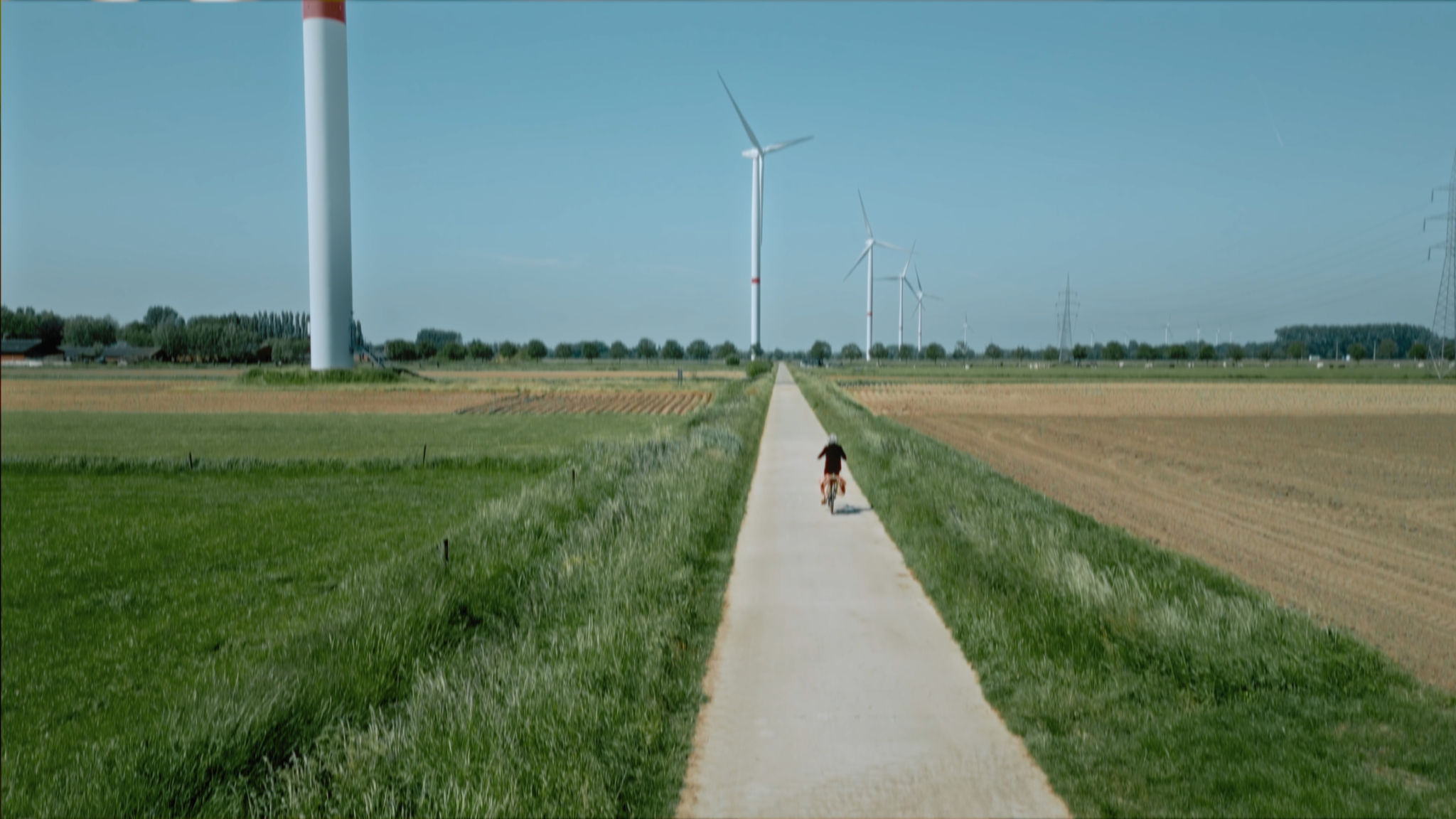
We asked people behind community-based energy projects how to gather wider support for the energy transition

We asked people behind community-based energy projects how to gather wider support for the energy transition

The journey towards clean energy in Europe has made major strides, but it is not always a smooth journey. Public resistance to renewable energy projects and related infrastructure risks slowing down the transition, at a time when both speed and scale are crucial for effective climate action. At ReNew2030, we believe the key to overcoming these challenges lies in effectively engaging and supporting communities throughout the transition process. The 2023 Barometer reveals that 93% of EU citizens recognise climate change as a serious problem. Yet, few have the opportunity to translate this concern into concrete action. This is where community-based energy projects come in.

As we’ve actively engaged with and fostered the development of community-based energy initiatives for years, we’ve met the citizens behind these projects. On top of empowering people to take climate action, saving money, and building communal ties, energy communities have been described as one of the best ways to gather support for the energy transition, by making these benefits tangible in people’s day-to-day lives.

Decades of success stories in Europe: energy communities as a working model to be deployed

Energy communities have been gaining traction across Europe for decades, driven by proactive individuals and groups seeking to take control of their energy production and use. These projects enable citizens, small businesses, and local organisations to actively participate in the energy transition, offering a range of benefits such as lower energy bills, increased independence, and local development opportunities.

The emergence of these communities typically follows a bottom-up approach, where a group of motivated individuals comes together to garner support for creating a structured energy system tailored to their specific needs and aspirations. Research indicates that over 900,000 people across the EU are already involved in energy communities, with tremendous potential for further growth.

The European Climate Foundation (ECF), one of ReNew2030’s long-standing partners, recognised the potential of community-based energy projects in helping advance the energy transition as early as 2015. ECF’s vision is rooted in the belief that the energy transition should be fair and inclusive, actively involving communities in the process. Nearly a decade later, ECF’s Energy Democracy network gathers more than 25 partners, bringing together NGOs and energy cooperatives, across 14 European countries.

Partners across Europe have shared that positive support for the emergence of additional energy communities across Europe comes through early consultations with the community, an encouraging legal framework at national and European level, and the sharing of local best practices.

Energy communities ensures people own and benefit from energy transition

The socio-economic benefits of energy communities are a prime focus – from lowering energy bills to fostering local development. By creating these benefits, energy communities turn their participants in allies of the energy transition as a whole, fostering wider public support for the energy transition. As energy communities are platforms for raising knowledge about renewable energy among participants, they also empower these individuals to become advocates for sustainable change.

The current Danish landscape offers a telling example – in this country, 52% of the existing wind capacity operates under some form of citizen ownership. This model has not only empowered individuals but has also significantly bolstered public support for renewable energy. When people participate in or own energy projects, they are more likely to appreciate the benefits and accept potential drawbacks. Ownership, in particular, further strengthens acceptance and enthusiasm.

To meet our climate goals and stay within planetary boundaries, the share of renewable energy in the global power mix will have to increase from 28% in 2020 to 68% by 2030. To deploy this massive increase in renewable energy production, we need to secure citizens’ buy-in and support behind the changes that will drive a clean, safe energy system. Community energy projects, for all the benefits they provide to participants, can play a key role in this system-change.

Tags:
Posted in Uncategorised | Comments Off on We asked people behind community-based energy projects how to gather wider support for the energy transition

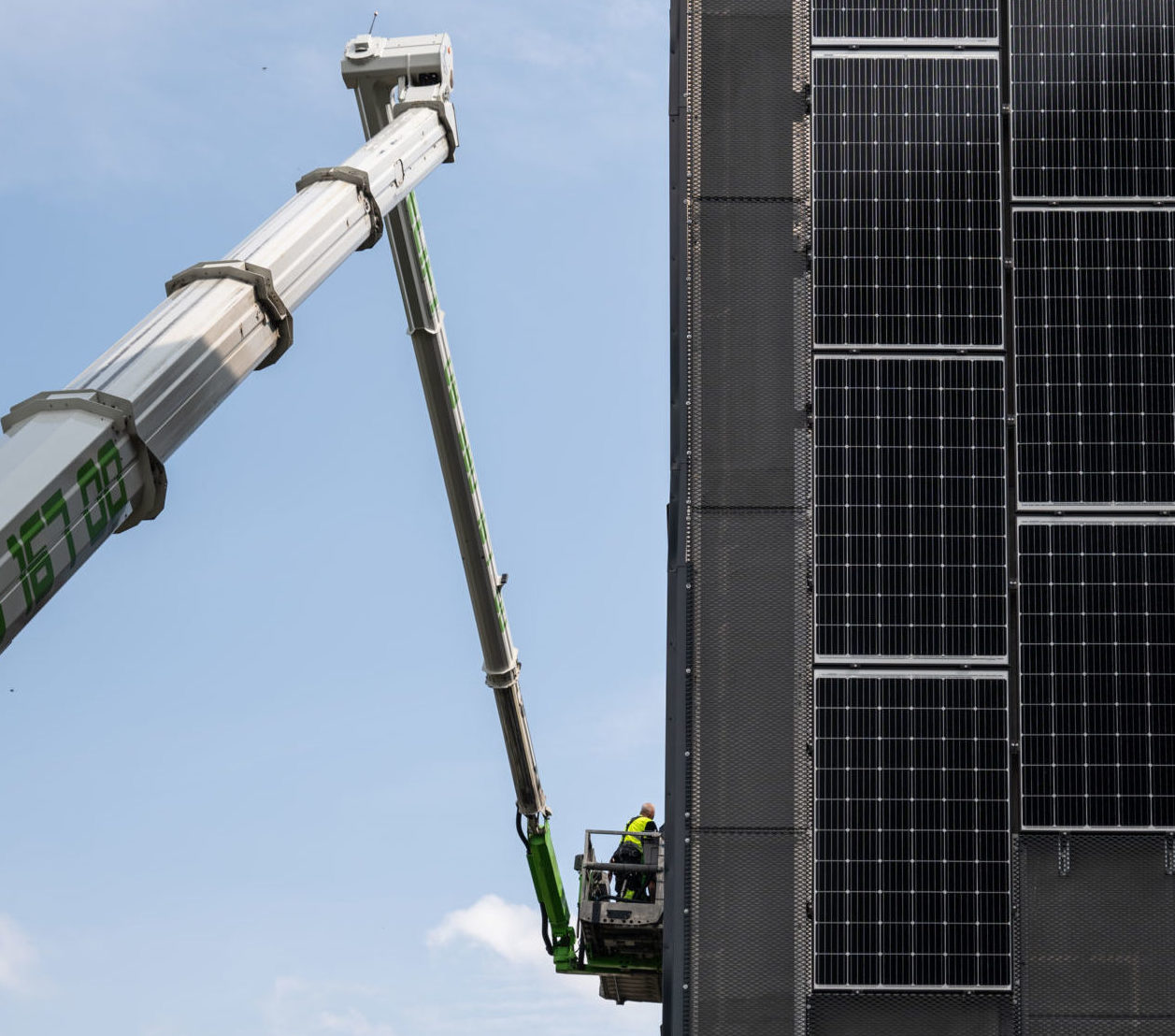
We asked experts how we can overcome structural barriers to renewable energy investments

We asked experts how we can overcome structural barriers to renewable energy investments

At Renew2030 we collaborate globally with a diverse range of partners, from grassroots movements to policy think tanks, philanthropies, and climate NGOs. We’ve asked them how they tackle key barriers to renewable energy investments, especially in low- and middle-income countries.

Investments in renewable capacity reached a record high of USD 570 billion in 2023. While this increase massively concerns China, EU, and the United States, Brazil and India accounted for just over 6% of investments, and in Africa, investments fell by 47% compared to 2022. This disparity highlights the need for an inclusive transition to net zero – one that ensures low- and middle-income countries aren’t left behind. These regions face a significant financing gap, with an estimated shortfall of $1.2 trillion annually required to meet their climate goals.

From our interviews with experts and partners working in policy research, investment deployment, and community engagement, three key blockers, and strategies to address them, have emerged across regions and areas of focus.

Shift financial flows

The first barrier that needs to be overcome in many markets is the legacy of subsidies, regulatory frameworks, risk models, and fossil fuel financing. Fossil fuel deployment remains the default in many cases, often requiring a policy pivot from those in power to shift the existing capital into clean energy projects.

Our partners have been actively collaborating with national governments to enable this transition, redirecting fossil-fuel investments to green energy initiatives. For example, Renewables First, is working with ReNew2030’s partner, The Sunrise Project, to help investors pivot from coal to renewables and shift policies to facilitate the flow of capital into renewable energy projects.

Efforts on the ground are beginning to yield results: Pakistan has seen a surge in solar capacity, with 15 GW of solar panel imported over the past year, driven by a steep increase in electricity tariffs over the last three years. This rapid shift, mostly toward off-grid solar solutions, underscores the urgent need for grid modernisation and policy reforms to support decentralised solar generation, while ensuring the financial sustainability of electricity utilities

Creating regulatory and policy frameworks to attract additional funding

Redirecting fossil fuel investments is just the beginning. To close the $1.2 trillion financing gap for low- and middle-income countries, partners have highlighted the need to attract additional capital, both foreign and domestic.

A core blocker outlined by the experts lies in the perceived risk embedded within any regulatory framework by markets, hindering rather than facilitating renewable projects development. For campaigners and philanthropists, this challenge presents a significant opportunity. Adjustments in regulatory barriers—such as those related to planning or capital requirements—can have outsized impacts on attracting private sector investment.

For example, we’ve supported initiatives like Bangladesh’s Centre for Policy Dialogue, through our partner The Sunrise Project. They collaborate with academics, policymakers, and investors to identify and highlight the domestic investment blockers and operational bottlenecks that prevent large-scale overseas investment in renewable energy-led power generation. These blockers are brought to the attention of national officials and investors at the occasion of Energy Forums bringing all stakeholders together to promote the creation of a new framework that expedites renewable energy investment.

Similarly in Sri Lanka, our partner V20 is engaging strategically with Finance Ministries to develop investment plans to attract foreign investments into renewable energy projects. The Sri Lanka Offshore Wind Roadmap exemplifies what can be achieved with strong regional cooperation that promotes offshore wind development.

Investing in tomorrow’s solutions: enabling funding system-change

Lastly, experts flagged the need to test models that can attract private capital in large-scale renewable energy projects.

True transformation in the energy transition isn’t just about addressing existing barriers but also about investing in breakthrough solutions before they hit the mainstream. On this front, we’ve been collaborating with local players to enable innovative renewable energy funding models that deliver financial, social, and environmental benefits.

When these models are successful, they attract additional private and public capital. A standout example is the RIPLE (Renewables Investment Platform for Limitless Energy), a $500 million initiative in Nigeria created by the Nigeria Sovereign Investment Authority (NSIA) with support from The African Climate Foundation. This initiative is a system change, unlocking private capital to create a renewable energy system that will benefit Nigerians, and that can be replicated in other regions..

Renew2030 at COP28 pushing for the tripling pledge

Renew2030 at COP28 pushing for the tripling pledge

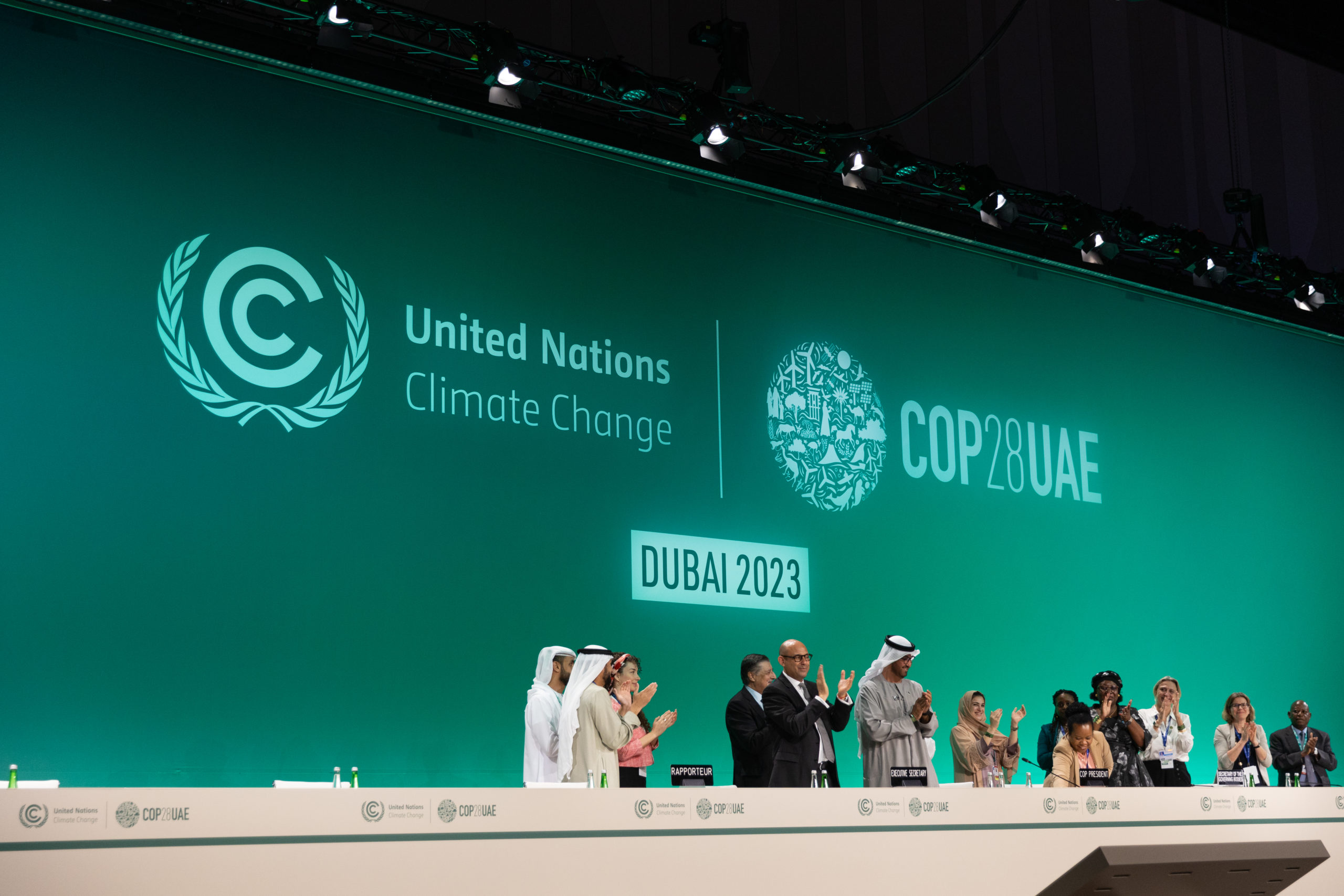
The agreement reached at COP28, calling on countries to transition away from fossil fuels in energy systems in a just, orderly and equitable manner, is a historic marker, signalling the end of the era of fossil fuels and the beginning of the age of renewables.

Renewables and their unstoppable power to bring prosperity and a clean future bookended the COP28 proceedings.

The groundbreaking pledge made by 130 countries at the opening of the COP to treble renewable energy production by 2030 was further consolidated in a global goal in the Global Stocktake in the closing hours of the international conference of leaders.

ReNew2030 is proud to have contributed to this pivotal moment by supporting partners around the world to address the barriers and levers that affect the rapid and equitable scaling up of wind and solar power.

At COP28 we saw civil society organisations from around the world holding firm on the need for an equitable, well financed, fair transition. We saw the renewables industry come together in force calling for 3x renewable energy by 2030 – exemplified by the leadership of the Global Renewables Alliance team. And we saw philanthropy and the regional climate foundations coming together with the ReNew2030 international partners with a clear message in support of the renewables goal.

ReNew2030 will continue to work with partners on the ground through the regional climate foundations and international partners to turn this historic goal into real projects that meet the needs of communities around the world.

ReNew2030 team interviewed live on We Don’t Have Time

Rebecca Collyer and Luisa Sierra Brozon of ReNew2030 and ReNew’s Mexican partner Iniciativa Climática de Mexico )ICM) were interviewed by We Don’t Have Time, the climate change social network and review platform.

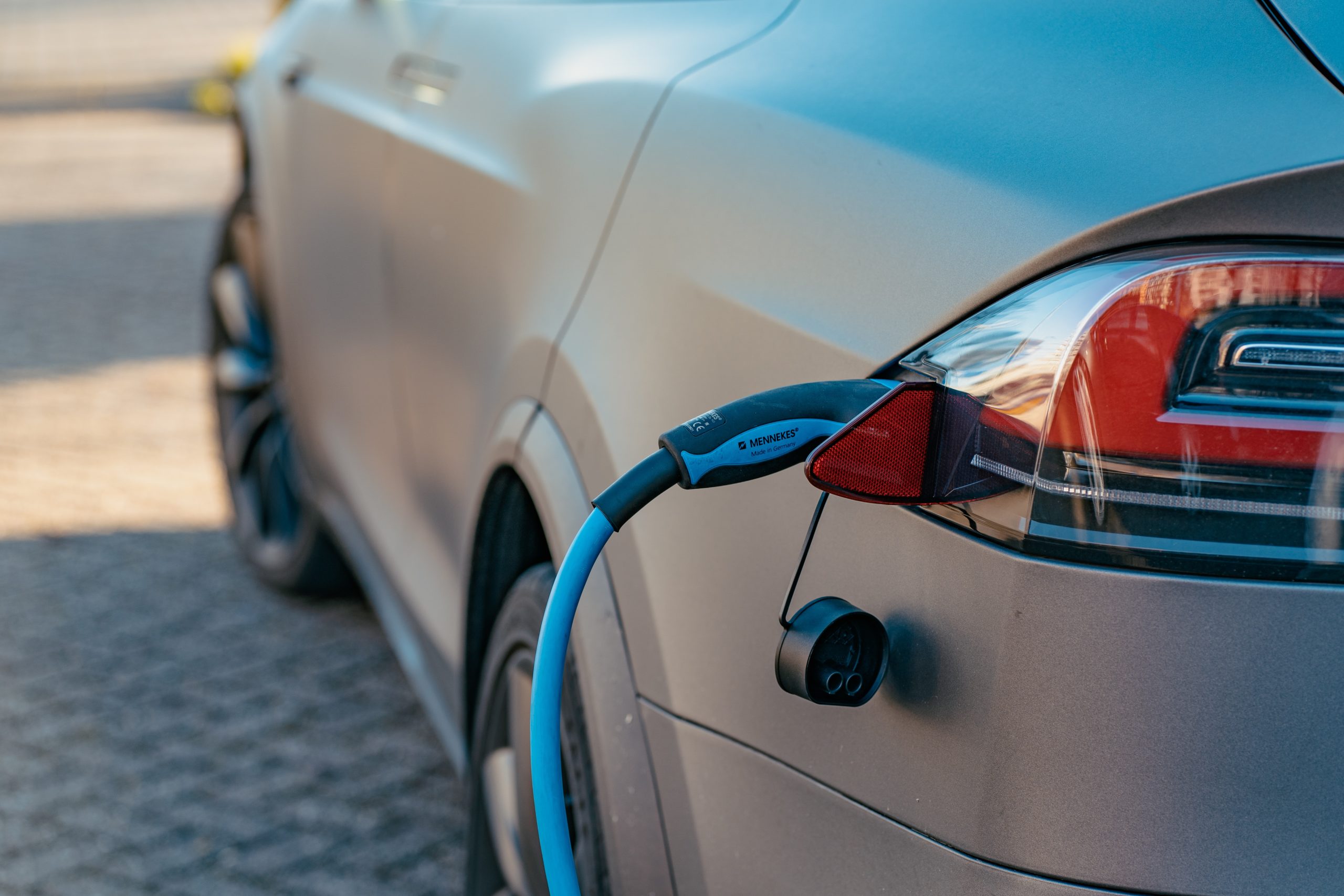
Drive Electric Campaign and ReNew2030 join forces to supercharge the transition to renewable energy and electric transportation

Drive Electric Campaign and ReNew2030 join forces to supercharge the transition to renewable energy and electric transportation

New partnership centers on the role of electrification and critical raw materials to scale a climate-secure and just energy transition in transport and energy

SAN FRANCISCO and THE HAGUE | November 27, 2023.

Today, the Drive Electric Campaign and ReNew2030 announced a partnership to support an accelerated just transition to clean energy and electric transportation. Their shared, people centered vision of an electrified future works to shape responsible and circular mineral supply chains and advance the economic co-benefits of job creation and green industrial development in the renewable and auto sectors. The partnership brings together hundreds of partners working in dozens of countries to advance renewable energy and all forms of zero-emission transport.

Drive Electric and ReNew2030 are both recipients of the TED Audacious Project, a collaborative funding initiative that catalyses social impact on a grand scale and encourages the world’s greatest changemakers to dream bigger.

Rebecca Collyer, Executive Director of ReNew2030, said: “We have a limited window to act and a huge opportunity to grow renewable energy exponentially. Underpinning the growth in solar, wind and grids that we hope for will be the sustainable use of critical raw materials. A just energy transition is paramount for a liveable future, and coordinating efforts with the Drive Electric Campaign will yield a deeper understanding of the barriers and solutions to an electrified future.”

The partnership supports an accelerated expansion of clean technologies to phase out polluting fossil fuels in two high-emitting industries. Electrifying the road transport sector including cars, trucks, buses, and two- & three-wheelers could eliminate over 160 gigatons of carbon pollution cumulatively through 2060 while saving lives and improving livelihoods. Renewable power such as wind, solar, and battery storage can help decarbonise the power sector rapidly by 2030 and will address the sector’s outsized emissions.

“Reaching our goals for a safe climate will require a massive buildout of both renewable energy and an accelerated transition to electric road transportation,” said Rebecca Fisher, Drive Electric Campaign Director. “Our partnership with ReNew2030 is inspired by the opportunity to transition our energy and road transport sectors by ensuring emerging economies have access to clean, zero-emission power and vehicles of all types – and can leapfrog over dirty combustion as economies and populations expand in the coming years.”

Our collaboration recognises that the energy transition needs to center responsibility, accountability, and justice as we work towards a climate-safe future. To this end, the Drive Electric Campaign and ReNew2030 will work with the ClimateWorks Foundation’s Minerals for the Energy Transition initiative to help shape the growing mineral supply chain for clean energy technologies and support value addition and benefits to communities and mineral-rich countries.

Opportunities for collaboration include joint energy transition projects, and research publications with a particular focus on electrification and transition minerals. Coordinating efforts also maximise benefits to people and livelihoods:

  • Expanding the percentage of renewable energy on the grid further enhances the environmental benefits of electrifying transport.
  • Shaping and improving mineral supply chains and extraction for clean technologies can further secure the environmental and social benefits of the energy transition.
  • Increasing the number of electric vehicles on the grid and investing in vehicle-grid-integration (VGI) can enable higher levels of renewable generation and improve grid resiliency, reliability, and affordability.
  • Building out mini- or off-grid renewables coupled with electric vehicle fleets can bring power to previously underserved communities.

About the Drive Electric Campaign

The Drive Electric Campaign is an ambitious, philanthropy-powered global initiative to achieve a global tipping point leading to end the polluting tailpipe and accelerate the transition to 100% sales of zero-emission electric cars, trucks, buses, and 2 & 3 wheelers for the benefit of health, climate, and the economy.

About ReNew2030

ReNew2030 is a global coalition of experts, civil society, and philanthropic organizations working toward a first, fast, fair energy transition by mobilizing key actors across: government, business, and communities around the world. Our goal for 2030 is to increase global wind and solar capacity x5 in the countries responsible for over 80% of the power sector emissions to improve energy security, create new jobs and deliver health, climate and economic benefits.

Tags:
Posted in Uncategorised | Comments Off on Drive Electric Campaign and ReNew2030 join forces to supercharge the transition to renewable energy and electric transportation